 Himalaya Safety Treks

The Best Trekking Guide in Nepal (2026)
Your Safe Passage to the Himalayas with Local Experts

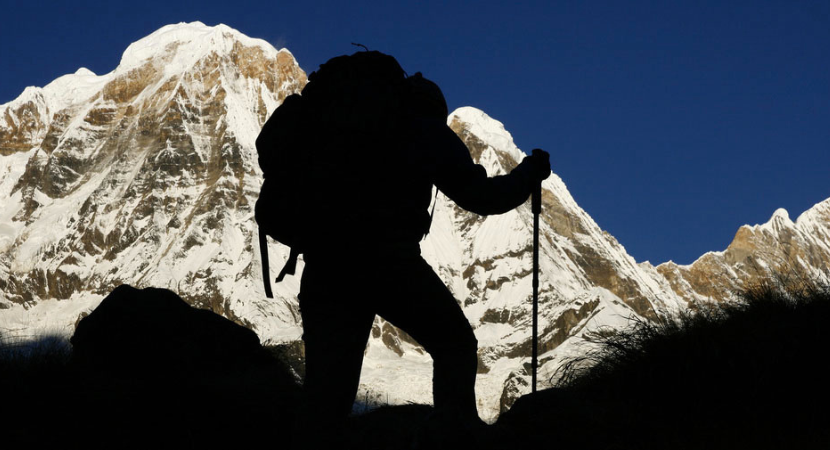
Trekking in Nepal is a once-in-a-lifetime adventure that rewards travelers with breathtaking mountain scenery, rich cultural encounters, and a deep connection with nature. Home to the mighty Himalayas and iconic peaks like Mount Everest and Annapurna, Nepal stands as one of the world’s most sought-after trekking destinations.
At Himalaya Safety Treks and Expedition Pvt. Ltd., we specialize in delivering safe, well-organized, and unforgettable trekking experiences for adventurers of every level—from beginners and families to seasoned high-altitude mountaineers.
Why Trekking in Nepal Is So Special
The Himalayas offer an unmatched variety of trail routes, microclimates, and indigenous mountain communities. From lush subtropical valleys and blooming rhododendron forests to high-altitude glaciers and wind-sculpted granite passes, every trek in Nepal feels distinct.
What Makes Nepal Trekking Exceptional:
-
Unrivaled Mountain Panoramas: Front-row vistas of eight of the world’s fourteen 8,000-meter peaks.
-
Warm Local Hospitality: Authentic mountain lodge stays and genuine interactions with Sherpa, Gurung, Tamang, and Thakali communities.
-
Well-Established Trail Networks: Historic trading paths supported by accessible teahouses and lodges.
-
Living Spiritual Heritage: Ancient Buddhist chortens, cliffside monasteries, prayer wheels, and sacred Hindu shrines.
-
Options for Every Capability: Routes tailored for leisurely day hikes, multi-week circuit treks, and technical peak-climbing expeditions.
With certified local guides and thoughtful logistical planning, trekking in Nepal is both safe and profoundly rewarding.

Trekking Packages for All Skill Levels
At Himalaya Safety Treks and Expedition, our itineraries match your fitness, mountain experience, and personal interests:
1. Easy & Beginner-Friendly Treks
Ideal for first-time trekkers, older travelers, and families with children. These routes traverse lower-elevation foothill trails with minimal risk of acute altitude sickness.
-
Traditional stone-paved village paths and terrace farmlands
-
Shaded subtropical woods, river gorges, and waterfalls
-
Wide mountain panoramas without strenuous technical ascents
-
Relaxed daily walking paces with full luggage and porter support
2. Intermediate & Advanced Expeditions
Tailored for experienced hikers and mountaineers seeking high-altitude wilderness challenges. These routes demand solid cardiovascular endurance and sound acclimatization.
-
Glacial moraine crossings and high Himalayan passes (above 5,000 meters)
-
Remote valleys with rustic teahouses or wilderness tented camps
-
Deep encounters with highland Tibetan-Buddhist culture
-
Striking, high-angle viewpoints overlooking vast Himalayan ranges

Iconic Trekking Destinations & Circuits
Whether you are looking for classic Himalayan traverses, high-pass challenges, or peak-climbing adventures, our curated routes cover Nepal’s finest regions:
-
Everest Region: Everest – Gokyo Lakes Trek, Island Peak Climbing, and Mera Peak Expedition.
-
Annapurna Region: Annapurna Circuit Trek, Annapurna Base Camp (ABC), Ghorepani Poon Hill Trek, and Mardi Himal / Mardi Peak.
-
Off-the-Beaten-Path & High Passes: Tilicho Lake & Mesokanto La Pass, Khopra Danda Trek, and Panchase Trek.
-
Wilderness Expeditions: Pokhara to Dhaulagiri Circuit and Thapa (Dhampus) Peak Climbing.
-
Spiritual Trails: Lower Mustang & Jomsom Muktinath Pilgrimage Trek.
Custom Expeditions: Looking for a route beyond this list? Connect with our team directly, and we will tailor a custom itinerary around your timeframe and preferences.
Trekking Packages for All Skill Levels
At Himalaya Safety Treks and Expedition, our itineraries match your fitness, mountain experience, and personal interests:
1. Easy & Beginner-Friendly Treks
Ideal for first-time trekkers, older travelers, and families with children. These routes traverse lower-elevation foothill trails with minimal risk of acute altitude sickness.
-
Traditional stone-paved village paths and terrace farmlands
-
Shaded subtropical woods, river gorges, and waterfalls
-
Wide mountain panoramas without strenuous technical ascents
-
Relaxed daily walking paces with full luggage and porter support
2. Intermediate & Advanced Expeditions
Tailored for experienced hikers and mountaineers seeking high-altitude wilderness challenges. These routes demand solid cardiovascular endurance and sound acclimatization.
-
Glacial moraine crossings and high Himalayan passes (above 5,000 meters)
-
Remote valleys with rustic teahouses or wilderness tented camps
-
Deep encounters with highland Tibetan-Buddhist culture
-
Striking, high-angle viewpoints overlooking vast Himalayan ranges
Frequently Asked Questions (FAQ)
1. When is the best trekking season in Nepal?
-
Autumn (September to November): The most popular window, featuring crisp post-monsoon air, crystal-clear skies, and stable weather.
-
Spring (March to May): The second-best season, offering warmer daylight temperatures, blooming rhododendron forests, and active wildlife.
2. What should I wear for trekking in Nepal?
We recommend a versatile three-layer technical clothing system:
-
Base Layer: Moisture-wicking thermal tops and bottoms (synthetic or merino wool).
-
Mid Layer: Insulating fleece jacket or light synthetic mid-layer.
-
Outer Layer: Windproof and waterproof breathable hard-shell jacket and pants.
-
Essentials: Broken-in trekking boots, moisture-wicking wool socks, UV sunglasses, sun hat, insulated winter beanie, and windproof gloves.
3. Which are the most famous trekking places in Nepal?
The Everest Base Camp Trek (Khumbu) and the Annapurna Circuit / Annapurna Base Camp Treks (Gandaki) remain Nepal's premier routes, globally celebrated for their scenery, lodging infrastructure, and cultural depth.
4. How do I prepare for trekking in Nepal?
-
Physical Fitness: Focus on aerobic conditioning (stair climbing, jogging, cycling) and leg strength 6 to 8 weeks before departure.
-
Proper Gear: Reliable footwear, broken-in trail shoes, and weather-rated sleeping gear.
-
Licensed Support: Always trek with a certified guide for navigation, safety protocols, and emergency medical coordination.
Trekking in Nepal is more than a hike—it is an inspiring passage through some of the grandest terrain on Earth.
Contact Himalaya Safety Treks and Expedition Pvt. Ltd. today to begin planning your Himalayan journey.