 Himalaya Safety Treks
Annapurna Region
Himalayan Trekking Region
Annapurna Sanctuary & ABC
360-degree glaciated amphitheater at 4,130m
Luxury Mountain Lodges
Premium stays with MLN and boutique heritage comfort
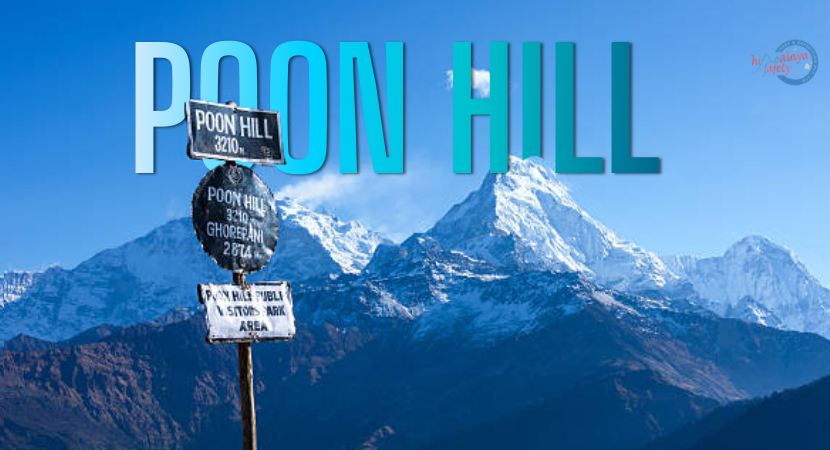
Poon Hill Sunrise Panorama
Iconic dawn views over Dhaulagiri and Annapurna massifs
Thorong La High-Pass Safety
Disciplined acclimatization crossing the 5,416m pass
Tilicho Lake & Manang Plateau
Turquoise glacial waters in the arid trans-Himalayan shadow
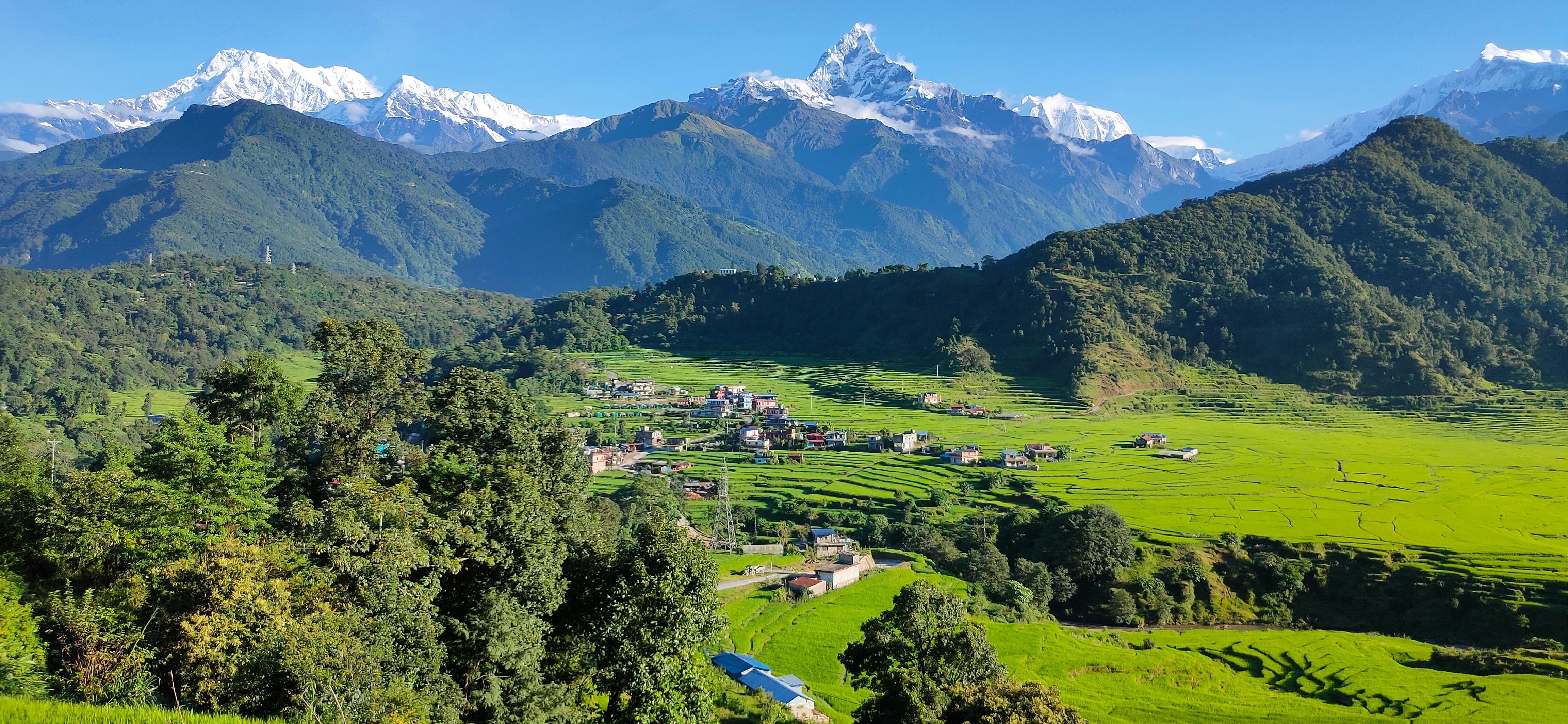
A city where history is still alive
Hiking in Nepal is an experience like no other, offering a blend of natural beauty, cultural immersion, and physical challenge. The country is home to some of the world’s most iconic trekking routes, with its diverse landscapes ranging from lush subtropical forests to snow-capped peaks towering over 8,000 meters. Whether you’re an experienced hiker or a first-timer, Nepal has something for everyone.
- Scenic Trails: From the famous Everest Base Camp Trek to the Annapurna Circuit, hiking in Nepal provides breathtaking views of some of the highest peaks in the world. The diverse terrains, including terraced fields, alpine meadows, and deep valleys, create ever-changing vistas throughout the hike.
- Cultural Encounters: One of the highlights of hiking in Nepal is the opportunity to explore traditional Sherpa, Tamang, and Magar villages. Along the way, trekkers get to witness ancient monasteries, interact with locals, and immerse themselves in Nepal’s unique culture and traditions. The hospitality of the Nepalese people is renowned, with many hikers describing their interactions with locals as a key part of the experience.
- Accessible Adventures: Nepal offers a variety of trekking routes for all levels of experience. The short, relatively easy hikes like the Ghorepani Poon Hill trek are perfect for beginners, while more seasoned trekkers can opt for the Annapurna Circuit or the Langtang Valley Trek. For the ultimate challenge, the Everest Base Camp or the Manaslu Circuit are ideal for those looking for a true adventure in the Himalayas.
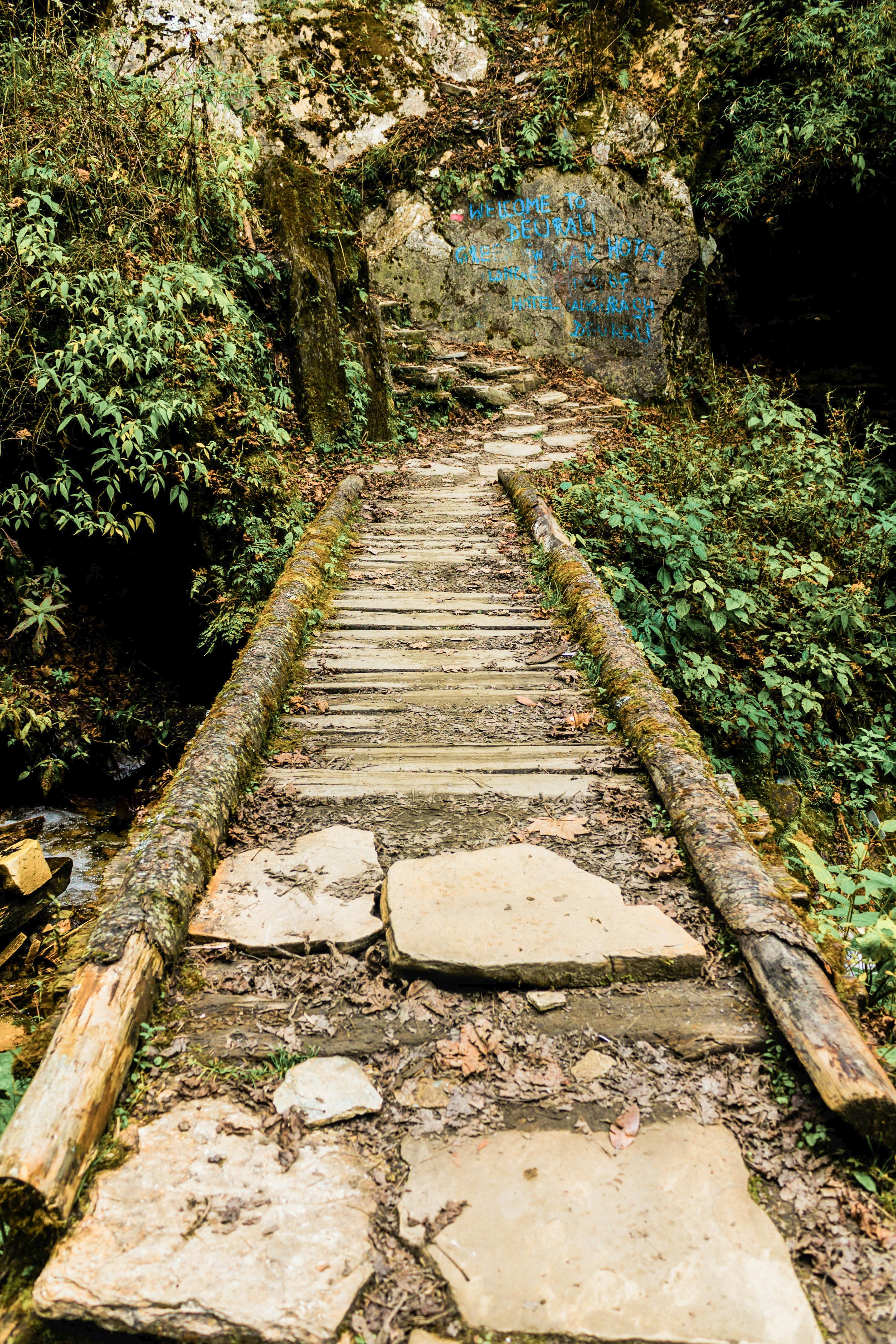
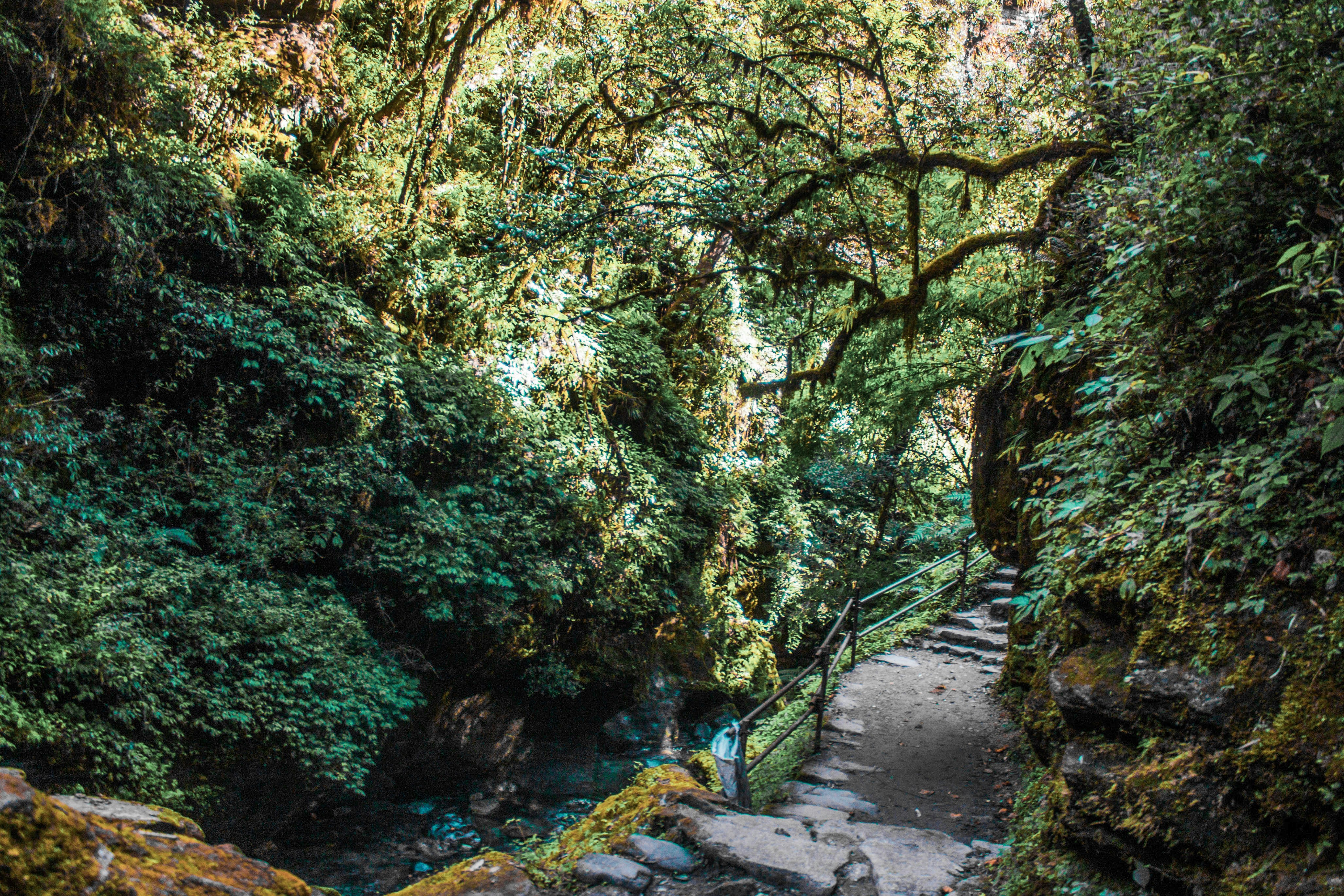
- Wildlife and Nature: Hiking in Nepal is a journey through nature. Depending on the region, trekkers can spot diverse wildlife, such as the Himalayan tahr, snow leopard, and musk deer. The route often takes you through national parks like Sagarmatha and Langtang, where lush forests of rhododendrons, pines, and bamboo create a serene atmosphere.
- Best Time to Hike: The ideal months for trekking in Nepal are pre-monsoon (March to May) and post-monsoon (September to November). During these times, the weather and the views are clear, making it perfect for both moderate and high-altitude hikes.
Whether you’re looking for a challenging multi-day trek or a short scenic day hike, Nepal’s mountain trails offer unforgettable adventures and a deep connection to the natural and cultural essence of the country.
Discover the highlights of Annapurna Region
Explore some of our most iconic trips in Annapurna Region, each offering a unique combination of challenge, scenery, and unforgettable Himalayan experience.

Annapurna Base Camp Helicopter Tour
Annapurna Base Camp Helicopter Tour


![Annapurna Circuit Trek 14 Days [2026]](https://himalayasafetytreks.com/files/uploads/activity/6a8b1f892504c1787502473.png)
Annapurna Circuit Trek 14 Days [2026]
Annapurna Circuit Trek 14 Days [2026]

Australian Camp & Dhampus Trek 2 Days
Australian Camp & Dhampus Trek 2 Days
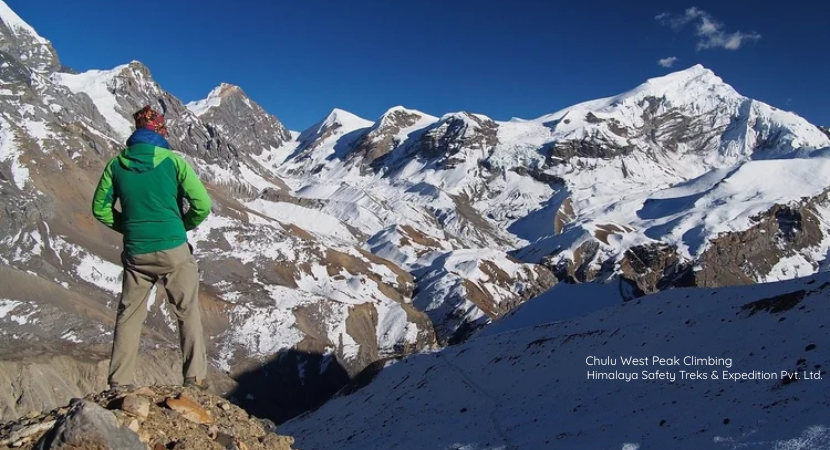
Chulu West Peak Climbing with Annapurna
Chulu West Peak Climbing with Annapurna
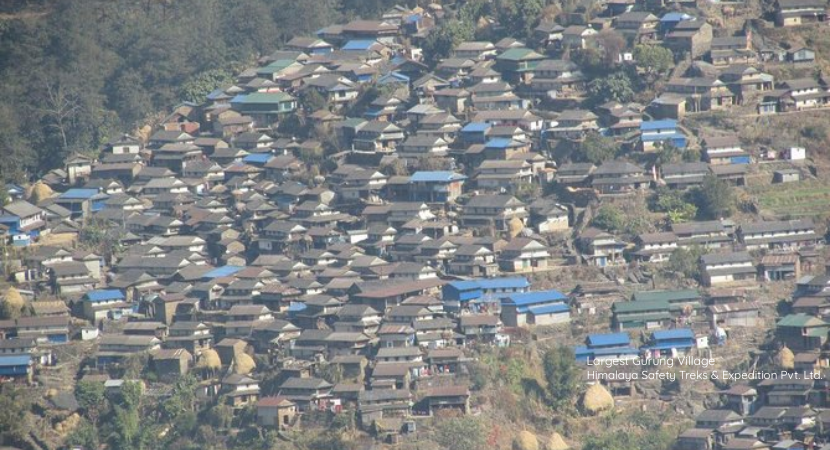

Himlung Himal Expedition 7,126m
Himlung Himal Expedition 7,126m
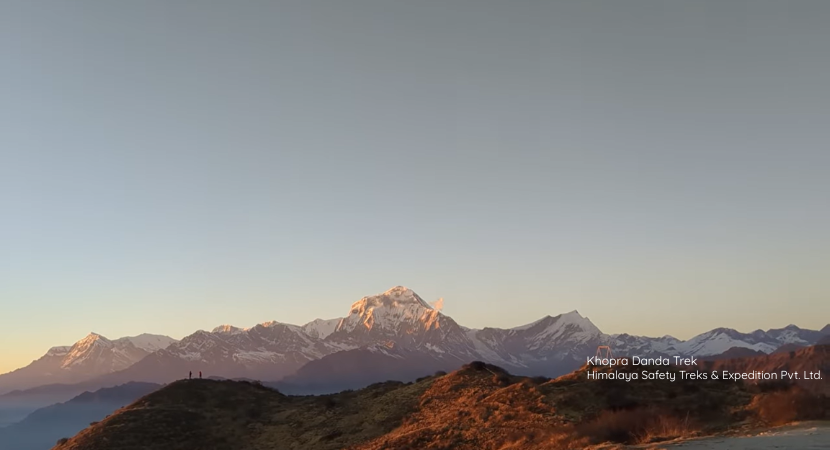

Kori Trek – Kori Danda and Shiklesh
Kori Trek – Kori Danda and Shiklesh
![Mardi Himal Trek 6 Days [2026]](https://himalayasafetytreks.com/files/uploads/activity/6a8cb075669ca1787605109.png)
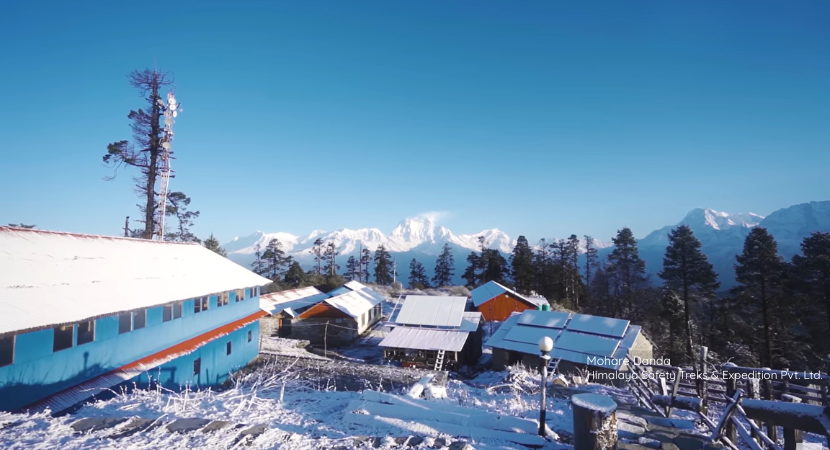

Nar Phu Valley -Restricted Area Trekking
Nar Phu Valley -Restricted Area Trekking
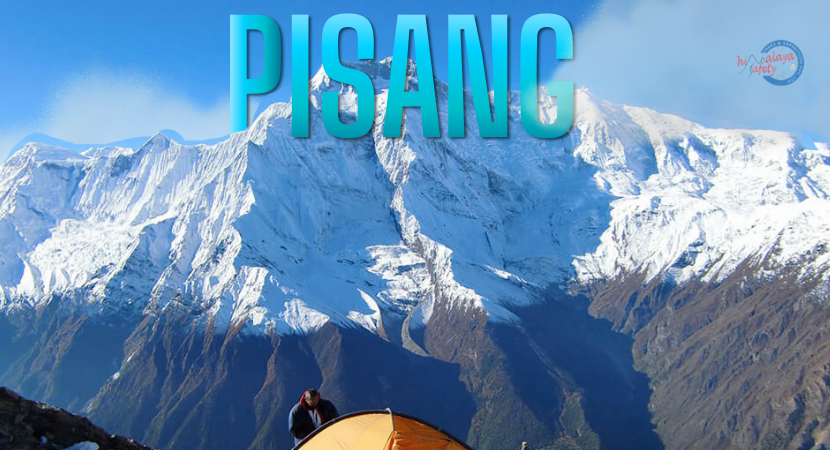

Tilicho Lake & Mesokanto La Pass Trek 15
Tilicho Lake & Mesokanto La Pass Trek 15
Annapurna Region With
Confidence.
A Himalayan expedition requires more than determination. Experience, preparation, safety and reliable logistics are essential for a successful journey.
Experienced guides
All treks include experienced guides, and porters are available on request.
Custom itineraries
Treks, safaris, boating trips and peak climbing expeditions can be tailored to your preferences.
Safety-focused adventures
Beginners are welcome with guidance, acclimatization schedules and experienced support staff.
Group discounts
Discounts are available for families, groups and corporate bookings.
Located in the Annapurna Region
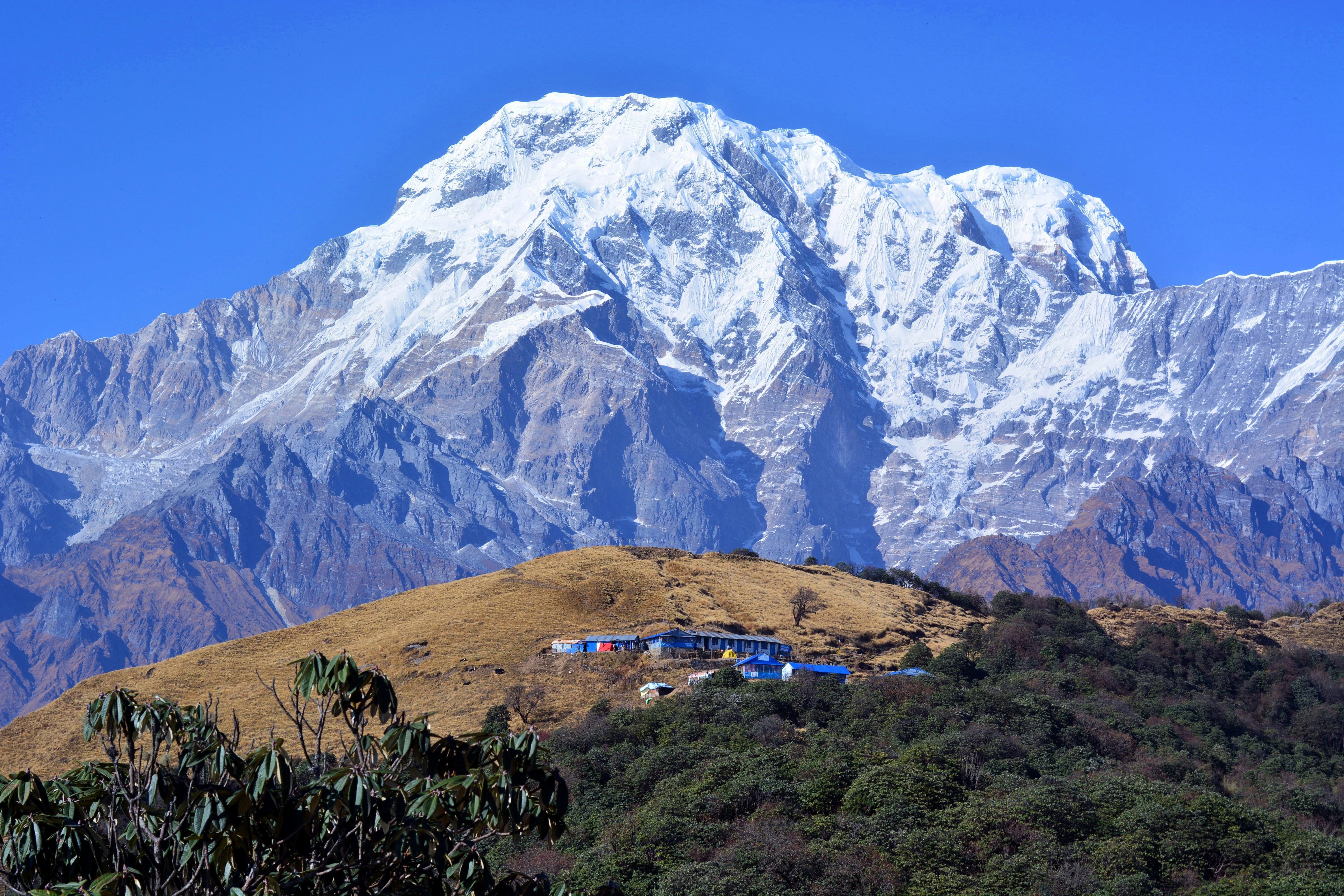
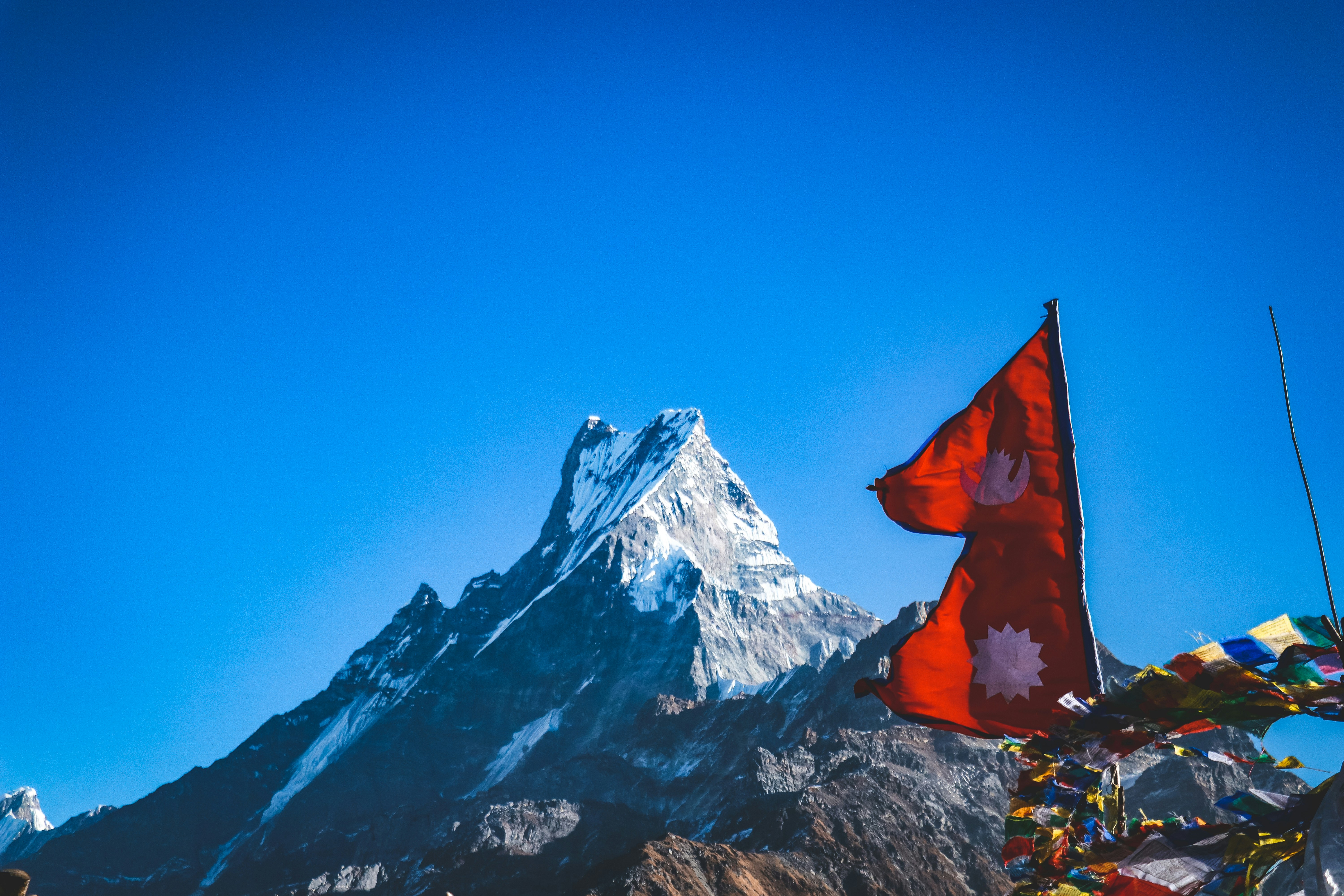
Situated in north-central Nepal just north of the lakeside city of Pokhara, the Annapurna Region spans the Annapurna Conservation Area (ACAP)—Nepal's largest protected wilderness reserve. Dominated by the soaring massifs of Annapurna I (8,091m), Annapurna South, Machhapuchhre (Fishtail, 6,993m), and Dhaulagiri (8,167m), the region is internationally celebrated for its dramatic ecological transitions, ranging from subtropical rhododendron forests and terraced Gurung villages to high alpine amphitheaters and the arid Tibetan-plateau rain shadow of Manang and Mustang.
See the beauty of Annapurna Region