 Himalaya Safety Treks

Budget Planning for Your Trekking in Nepal: Costs and Money-Saving Tips
Nepal is one of the most affordable trekking destinations in the world, but planning your budget carefully ensures you get the most out of your experience. Various expenses must be considered, from permit fees and guide costs to accommodation, food, and transport.
Whether you are starting a short trek in the Annapurna foothills or tackling a remote route in the Everest or Manaslu regions, understanding typical expenses and practical money-saving strategies will keep your trip comfortable and cost-effective.
1. Typical Costs for Trekking in Nepal
Nepal offers a spectrum of trekking styles, from self-supported budget adventures to fully supported luxury lodge circuits.
Trekking Permits and Fees
Permit requirements and pricing vary by conservation zone and local jurisdiction:
-
TIMS Card (Trekkers’ Information Management System):
-
Non-SAARC Nationals: USD 20
-
SAARC Nationals: USD 10
-
-
Annapurna Conservation Area Permit (ACAP): USD 30
-
Sagarmatha National Park Permit (Everest Region): USD 30
-
Manaslu Conservation Area Permit (MCAP): USD 30
-
Standard Special Trekking Permits: USD 60 – 100 (depending on route and season)
-
Restricted Area Permits (Upper Mustang, Upper Dolpo): USD 500 – 1,000 for a 10-day permit
Guide and Porter Fees
Hiring local support enhances trail safety, handles logistics, and provides cultural context:
-
Licensed Trekking Guide: USD 20 – 30 per day (covers daily wage, meals, lodging, and required insurance)
-
Porter: USD 15 – 20 per day (carries approximately 25 to 30 kg of trekker gear)
Note: Restricted areas (e.g., Manaslu, Upper Mustang, Nar Phu) legally require accompanied travel with a licensed guide and a minimum group size.
Accommodation Costs
Trailside accommodation options scale with altitude and infrastructure:
-
Standard Tea Houses / Guesthouses:
-
Lower Altitudes: USD 5 – 10 per night for a basic twin-share room.
-
High Altitudes: USD 15 – 25 per night due to limited room inventory.
-
-
Luxury Mountain Lodges: USD 50 – 100+ per night (available on popular routes like Everest Base Camp, featuring heated blankets, attached private bathrooms, and hot showers).
2. Food, Water, and Daily Amenities
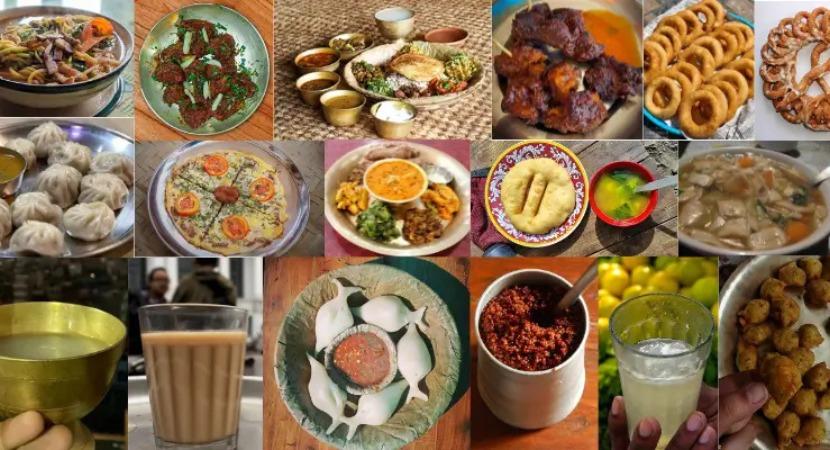
Supplies at higher elevations must be transported by porters, mules, or helicopters, which directly influences menu pricing.
-
Basic Meals (Lowlands / Lower Trailheads): USD 3 – 6 per meal in hubs like Pokhara, Besisahar, or Lukla.
-
Mountain Meals (High Elevations):
-
Traditional Dal Bhat (rice, lentil soup, seasonal vegetable curry): USD 6 – 8 (includes free refills).
-
Western Menu Items (pizza, pasta, apple pie): USD 8 – 12.
-
-
Drinking Water: Bottled water costs USD 1 – 4 per liter depending on elevation.
-
Hot Showers: Gas or solar-heated bucket showers cost USD 2 – 5 per use.
-
Wi-Fi & Device Charging: Many lodges charge USD 1 – 3 per hour for Wi-Fi or USD 2 – 4 per battery recharge.
-
Snacks & Incidentals: Chocolate bars, bakery items, and electrolyte drinks run USD 2 – 5 per day.
3. Transportation Costs
Getting to and from trailheads forms a significant part of pre-trek logistics:
-
Domestic Mountain Flights: One-way flights (e.g., Kathmandu to Lukla or Kathmandu to Pokhara) range between USD 120 and USD 150.
-
Public Buses & Shared Jeeps: Local transit from urban centers to major trailheads costs USD 5 – 15.
-
Private 4WD Charter Jeeps: Rented vehicles for rough mountain roads range from USD 50 – 100+, depending on route length and terrain.
4. Practical Money-Saving Tips
-
Prioritize Local Staples on the Trail
Order traditional Nepali Dal Bhat. It is freshly cooked, calorie-dense, and almost always comes with complimentary refills of rice, lentils, and curry, giving you maximum value for your money.
-
Carry Water Filtration Systems
Avoid buying single-use plastic bottles. Pack a reusable bottle paired with a hollow-fiber squeeze filter, UV purifier, or chlorine dioxide water purification tablets to save several dollars per day while eliminating plastic waste.
-
Pack Essential Snacks from Major Cities
Purchase energy bars, nuts, dried fruit, electrolytes, and chocolates in Kathmandu or Pokhara before departing. Prices for these goods double or triple once carried up into alpine tea houses.
-
Trek in Small Groups to Split Overhead
Sharing twin-bedded tea house rooms, charter jeeps, and porter fees significantly cuts individual daily expenses compared to solo travel.
-
Get a Local SIM Card with Mobile Data
A Nepali SIM card (NTC or Ncell) with an affordable data package (USD 5 – 10) is often cheaper and more reliable than paying recurring hourly fees for lodge satellite Wi-Fi at lower and mid altitudes.
-
Eat Where You Sleep
Many traditional tea houses offer discounted or free lodging on the condition that you purchase both dinner and breakfast from their in-house kitchen. Ordering meals elsewhere can result in higher room charges.
5. Summary Budget Table
| Expense Category | Daily Budget Estimate (Low to Mid Range) | Notes |
| Permits & Paperwork | Fixed one-time cost (~USD 50 – 100+) | Higher for restricted zones |
| Guide / Porter | USD 20 – 30 (Guide) / USD 15 – 20 (Porter) | Highly recommended for safety |
| Tea House Lodging | USD 5 – 15 per night | Basic twin-share rooms |
| Meals (3 per day) | USD 18 – 28 per day | Cheaper if sticking to Dal Bhat |
| Water & Purification | USD 0 – 1 per day | Near zero cost if using tablets/filters |
| Wi-Fi, Charging & Showers | USD 3 – 8 per day | Discretionary daily extras |