 Himalaya Safety Treks
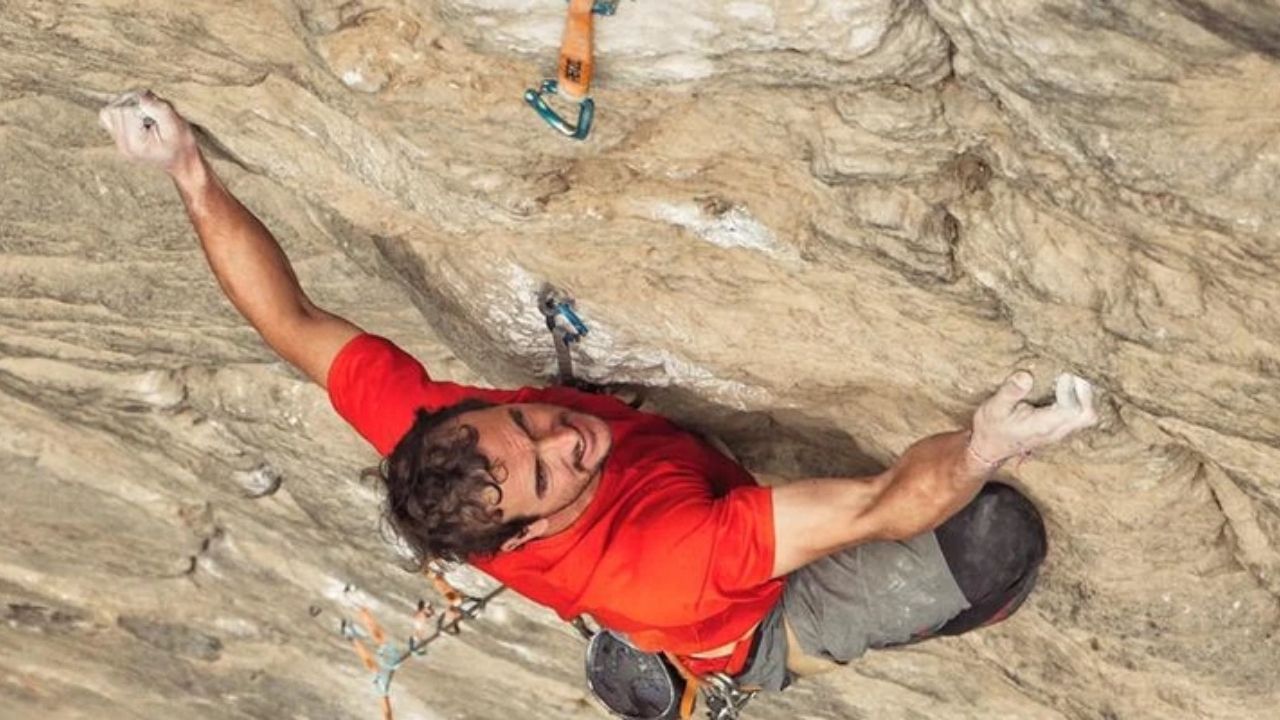
Rock Climbing
- Nagarjun (Jamacho)
- Located about 7 km from Kathmandu, Nagarjun is the most popular sport climbing destination in Nepal. The limestone cliffs offer more than 50 bolted routes ranging from beginner to advanced grades. Surrounded by forest and overlooking the Kathmandu Valley, it is ideal for climbers of all levels.
- Hattiban Hattiban lies approximately 12 km from Kathmandu and features conglomerate rock formations. With routes suitable for beginners and intermediate climbers, this area is well known for its scenic views and convenient access, making it a popular choice for groups and family outings.
- Balaju Situated just 5 km from the city center, Balaju offers limestone climbing with taller and more technical routes. The cliff faces are ideal for intermediate to advanced climbers looking to challenge their skills close to Kathmandu.
- Astrek (Shivapuri Area) Astrek is located in the Shivapuri conservation area and provides a quieter, less crowded climbing environment. The granite rock here offers excellent friction climbing and is well suited for climbers seeking a more peaceful and natural setting.
Choose Your Rock Climbing
Explore some of our most iconic rock climbing, each offering a unique combination of challenge, scenery, and unforgettable Himalayan experience.
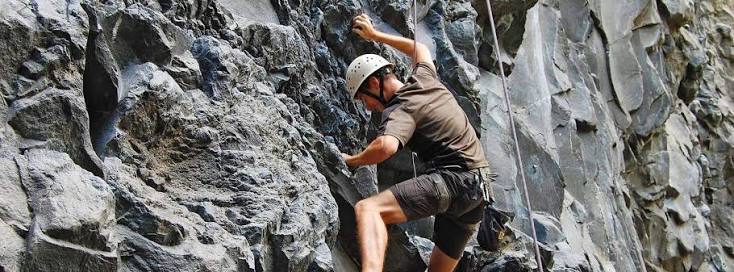
Nagarjun Forest Rock Climbing Day Tour
Guided Natural Limestone Crag Climbing in Shivapuri Nagarjun National Park
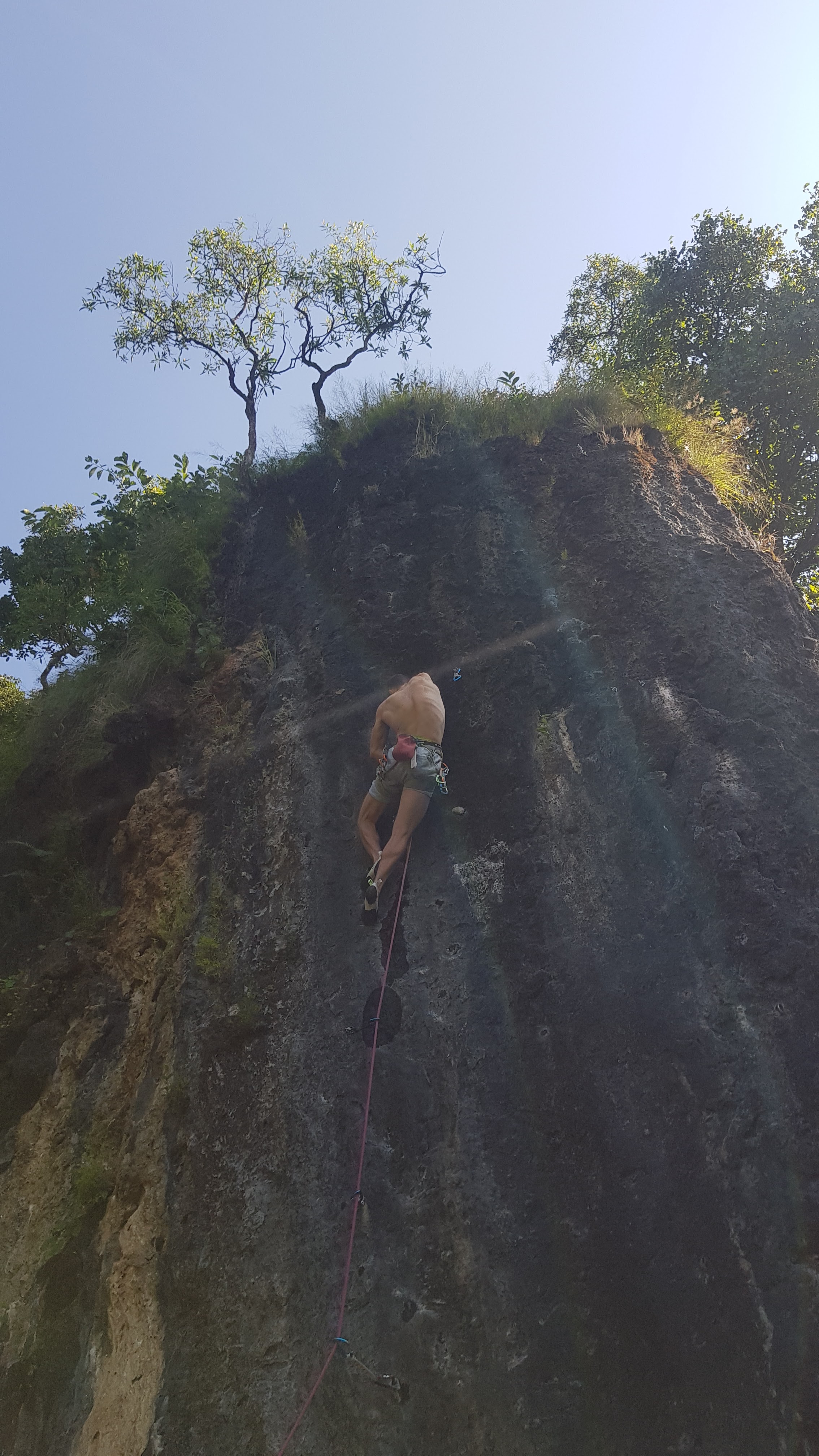
Rock Climbing in Pokhara
Natural limestone cragging, Sarangkot ridge walls, and panoramic Annapurna climbing under certified NMA safety oversight
Rock Climbing With
Confidence.
A Himalayan expedition requires more than determination. Experience, preparation, safety and reliable logistics are essential for a successful journey.
Experienced guides
All treks include experienced guides, and porters are available on request.
Custom itineraries
Treks, safaris, boating trips and peak climbing expeditions can be tailored to your preferences.
Safety-focused adventures
Beginners are welcome with guidance, acclimatization schedules and experienced support staff.
Group discounts
Discounts are available for families, groups and corporate bookings.

When to Rock Climb in Nepal: Dry Rock & Ideal Friction
Rock climbing across Nepal's natural granite and limestone crags relies on dry rock faces, stable atmospheric conditions, and comfortable ambient temperatures. The primary climbing windows occur in autumn and spring when precipitation is minimal, providing optimal friction and clear conditions across classic walls like Nagarjun, Hattiban, and Bimalnagar. The cooler winter months provide crisp, pleasant conditions for low-elevation, sun-exposed crags, while monsoon months are reserved for indoor technical rope training and artificial wall progressions.
Autumn (Peak Friction)
Crisp, rain-free conditions, minimal humidity, and dry natural rock faces offering maximum shoe friction.
Spring (Warm Climbs)
Mild daytime warmth, long daylight hours, and comfortable conditions across shaded and open valley crags.
Winter (Sun-Exposed Crags)
Crisp and cool weather ideal for south-facing low-elevation walls like Hattiban and Nagarjun during midday hours.
Monsoon (Training & Technique)
Wet season on outdoor rock; tailored for certified indoor climbing gyms, rope safety workshops, and anchor clinics.
Rock Climbing in Nepal: Vertical Adventure & Technical Safety
Experience guided sport and multi-pitch climbing across Nepal's natural limestone and granite cliffs, featuring certified instructors, UIAA-standard safety systems, and personalized rope clinics.
Ready To Reach
New Heights?
Tell us about your travel goals and let our experienced team help you create a safe, memorable and unforgettable Himalayan expedition.
Plan Your Rock Climbing